AI engineering articles for .NET developers: Azure OpenAI deployments, MCP servers in ASP.NET Core, agent frameworks, token-efficient data formats and AI-assisted testing.
Building with AI in .NET means integrating models into real services: Azure OpenAI deployments, Model Context Protocol servers, agent frameworks and data formats that keep token usage low. These articles are the engineering side of that work, with code and trade-offs rather than demos.
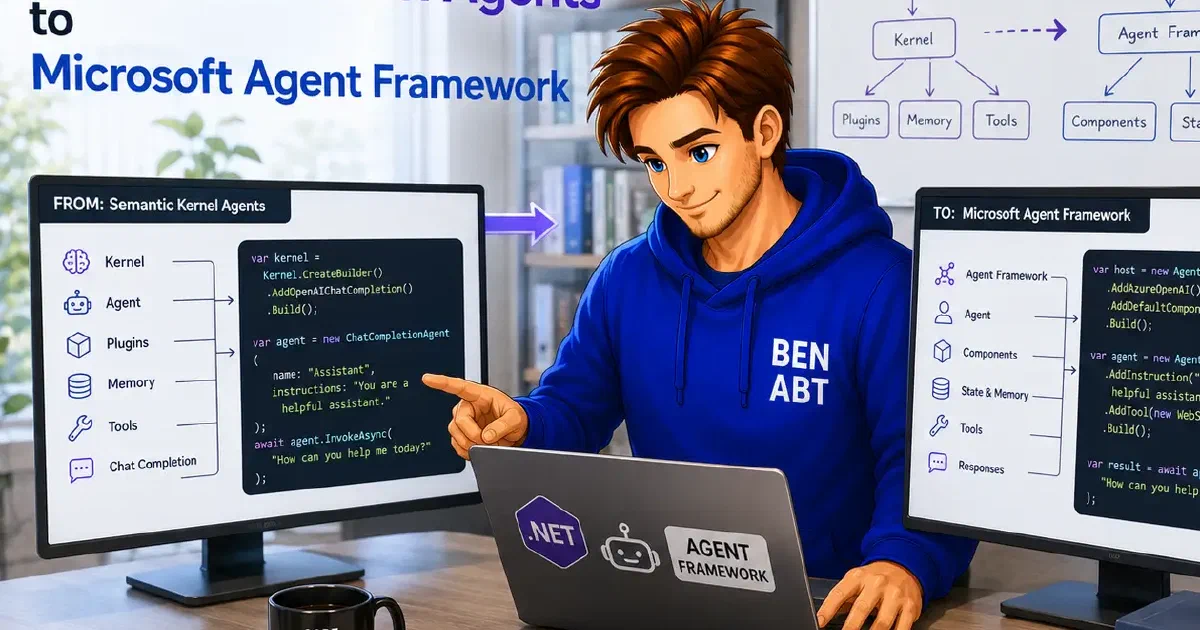
Microsoft Agent Framework is the successor to the agent capabilities in Semantic Kernel and AutoGen. That statement is easy to misread as “replace the package and rename a few classes.” The migration is more …
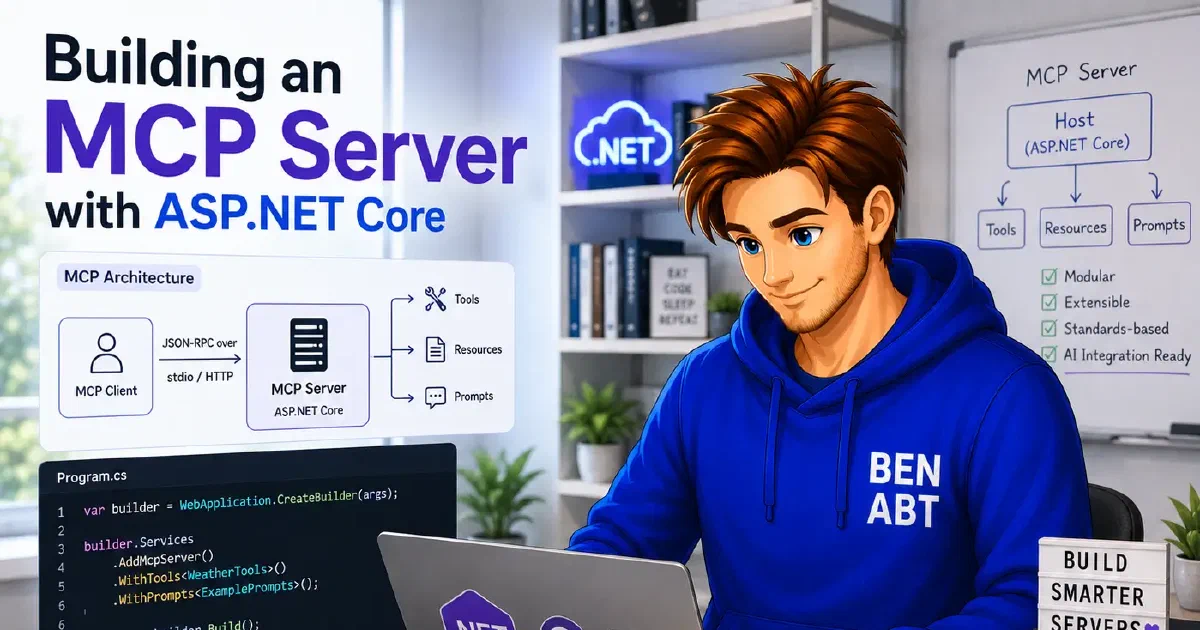
An MCP server can look deceptively small. A package is installed, a method receives an attribute and ASP.NET Core maps an endpoint. That is enough for a demonstration. It is not enough for a server that is allowed to …
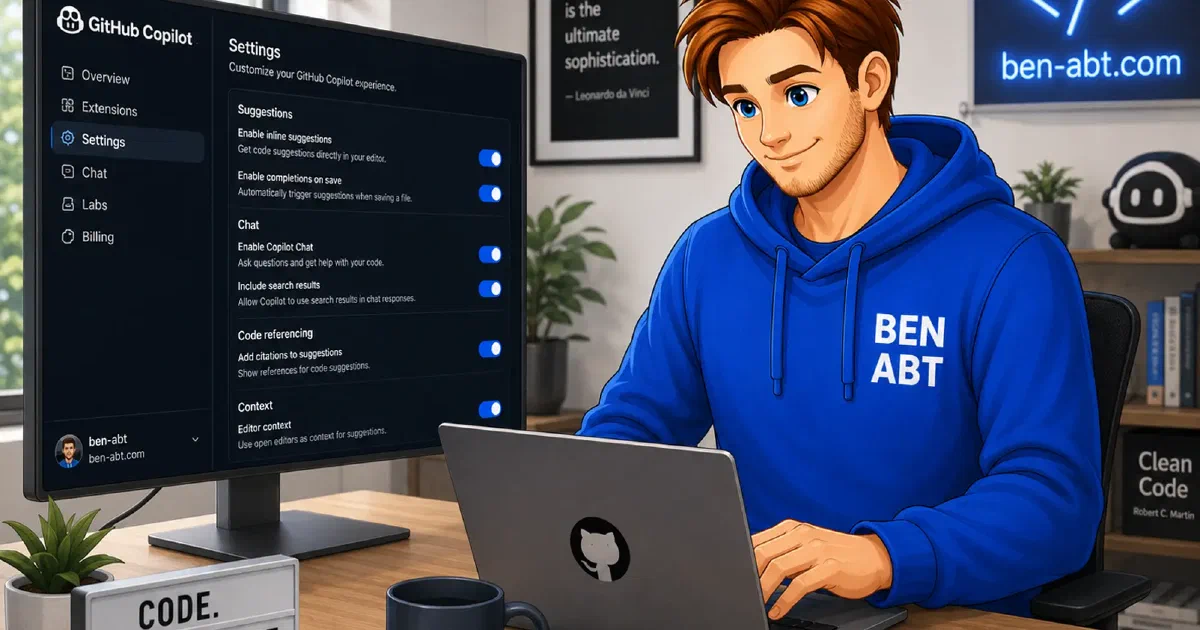
This workshop helps development teams adopt GitHub Copilot as a reliable part of their daily engineering workflow, rather than an ad-hoc experiment. Participants learn how to write effective prompts, use Copilot Chat for …
The 2.0 release of the official Model Context Protocol (MCP) C# SDK is more than a version increment. It implements the 2026-07-28 MCP specification revision, which changes the default shape of MCP over HTTP. The …
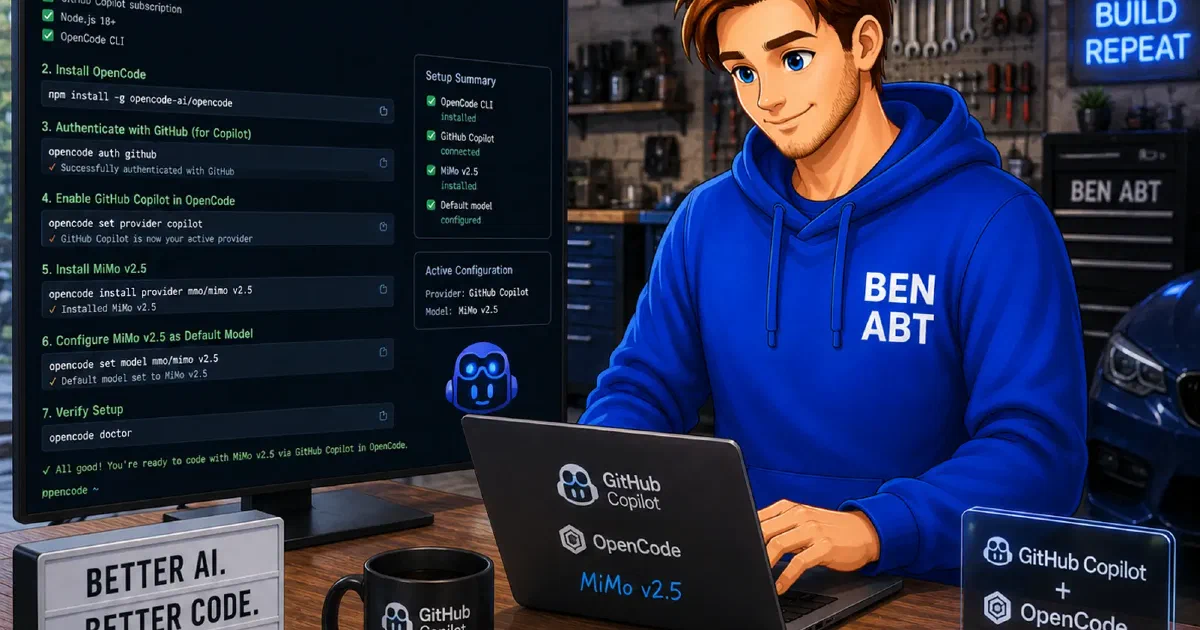
MiMo V2.5 is the latest reasoning and coding model from Xiaomi’s AI lab. Xiaomi positions MiMo as a general-purpose reasoning model with particular strength in code generation, structured output and tool calling. In May …
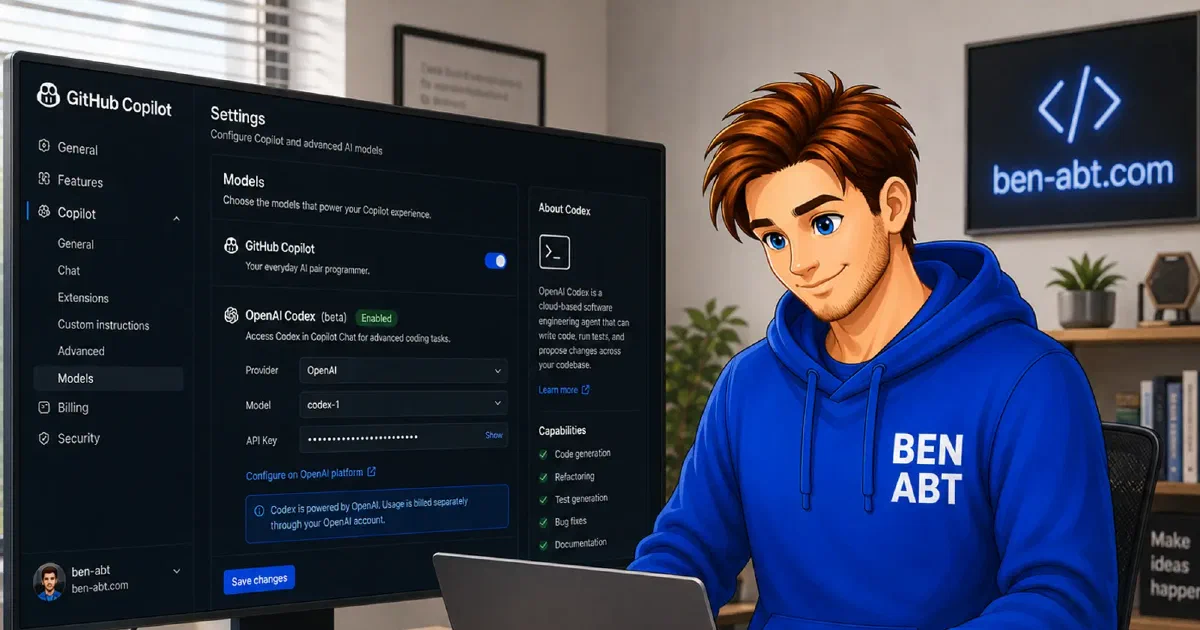
GitHub Copilot’s pricing shift from flat premium request units to token-based GitHub AI Credits, scheduled for June 1, 2026, changes the economics of heavy AI usage in VS Code meaningfully. Models with large context …
GitHub Copilot is moving into a different cost model. GitHub announced that Copilot plans will transition from premium request units to GitHub AI Credits on June 1, 2026. Usage will be calculated from token consumption, …
The landscape of AI development is shifting rapidly from simple chat interfaces to fully integrated, agentic workflows like the Ralph Loop . GitHub has recently introduced the GitHub Copilot SDK , a powerful toolkit that …
The Model Context Protocol (MCP) server acts as a centralized context management backend for advanced AI applications.
Unlike traditional session or prompt-based approaches, the MCP server manages a persistent, …